What Causes Air Conditioners To Stop Cooling Effectively?
There is nothing quite like switching on your air conditioner on a hot day, only to find the room stays warm no matter how long you leave it running. The system sounds fine, air is coming through, but the temperature just will not drop. It is a frustrating situation that more homeowners and renters experience than you might expect, particularly when air conditioning systems in Wollongong are pushed harder through summer or have been gradually losing efficiency without any obvious warning signs.
Air conditioners rely on a careful balance of airflow, refrigerant, electrical components and controls to perform properly. When one part of that system is compromised, cooling performance can drop noticeably. Understanding why this happens can help you identify early warning signs, avoid unnecessary stress and know when professional support is needed.
Restricted Airflow Due to Dirty Filters
One of the most common and overlooked causes of poor cooling performance is restricted airflow. Air conditioners depend on steady air movement to absorb heat and distribute cooled air throughout a property. When filters become clogged with dust and debris, the system cannot breathe properly.
Blocked filters can lead to:
- Reduced airflow reaching living areas
- Ice forming on internal coils
- Higher energy consumption as the unit works harder
- Uneven cooling across rooms
While filters are designed to trap airborne particles, they need routine cleaning or replacement to function effectively. Regular air conditioner servicing ensures filters are checked and maintained before airflow restrictions begin to affect overall system performance.
Refrigerant Leaks & Low Gas Levels
Refrigerant is essential to the cooling process, allowing heat to be absorbed and released outside the property. If refrigerant levels drop due to leaks or improper charging, the system cannot cool efficiently, no matter how long it runs.
Low refrigerant levels may result in:
- Warm air blowing from vents
- Longer cooling cycles with little temperature change
- Ice buildup on refrigerant lines
- Increased strain on the compressor
Refrigerant issues require licensed technicians with the correct equipment and expertise. During professional air conditioning servicing, refrigerant pressures are measured and leaks can be identified early, helping prevent further system damage.
Thermostat Faults or Incorrect Settings
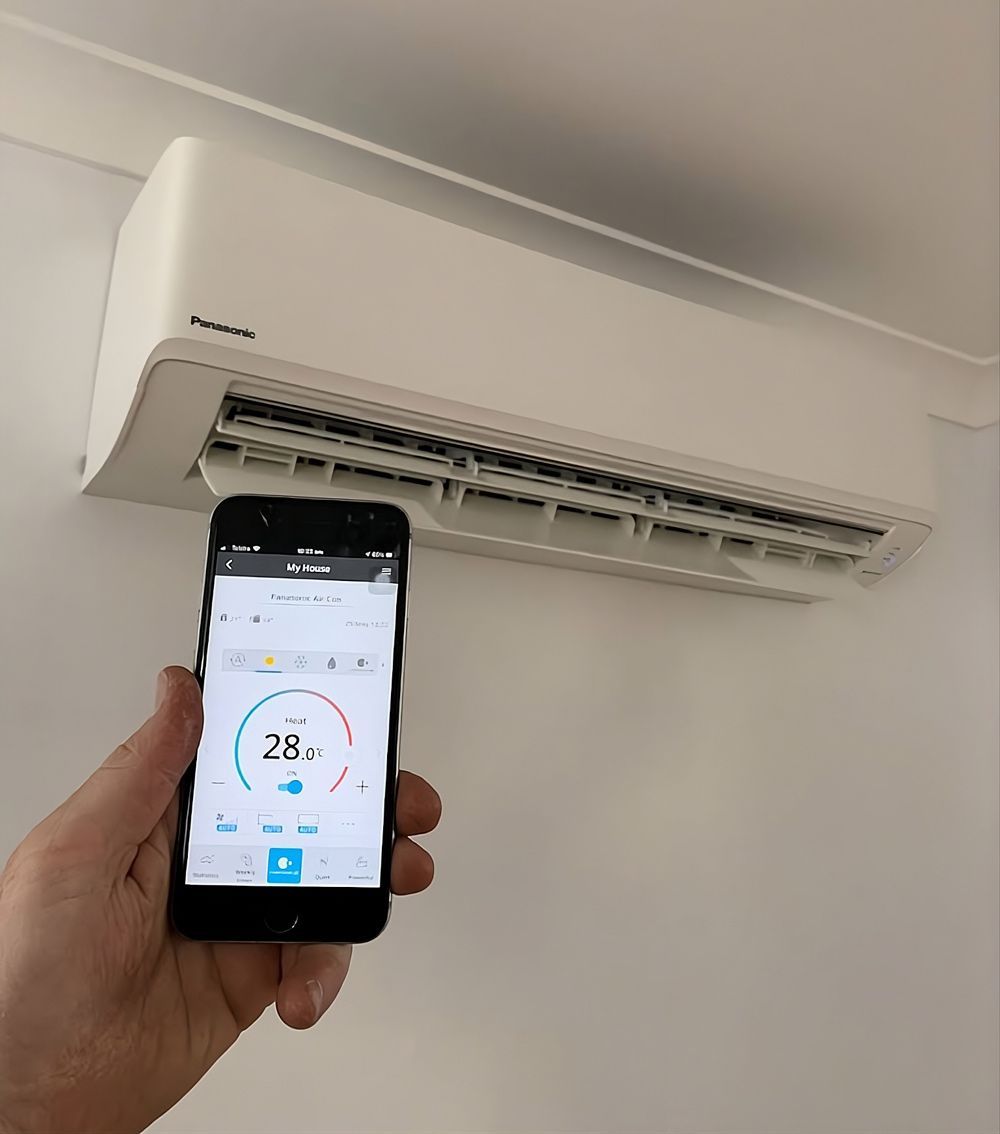
The thermostat acts as the control centre for your air conditioning system. If it is not working correctly, the unit may receive inaccurate temperature readings or incorrect signals, leading to inefficient cooling or irregular operation.
Common thermostat-related problems include:
- Incorrect placement near heat sources
- Calibration issues causing false readings
- Flat batteries or wiring faults
- Outdated models with limited accuracy
Electrical inspections performed as part of routine servicing help ensure thermostats are communicating properly with the system and maintaining stable indoor temperatures.
Dirty or Damaged Evaporator & Condenser Coils
Air conditioner coils play a crucial role in heat transfer. Over time, dust, grease and environmental buildup can coat both the evaporator and condenser coils, reducing their ability to absorb and release heat.
Coil issues often lead to:
- Reduced cooling capacity
- Higher running costs
- Overheating system components
- Increased wear on compressors
Professional cleaning during scheduled air conditioner servicing removes built-up debris and allows the system to operate closer to its intended efficiency.
Electrical Issues Affecting Performance
Air conditioning systems rely heavily on electrical components, from capacitors and contactors to circuit boards and wiring. Electrical faults can disrupt cooling performance even when mechanical parts appear intact.
Electrical problems may cause:
- The outdoor unit failing to start
- Fans running without cooling
- Intermittent system shutdowns
- Inconsistent temperature control
Qualified electrical servicing ensures these components are tested, connections are secure and potential faults are addressed before they escalate into system failures.
Blocked or Leaking Ductwork
For ducted systems, cooling efficiency depends on properly sealed and unobstructed ductwork. Leaks, blockages or poorly insulated ducts can cause cooled air to escape before reaching living spaces.
Ductwork issues can result in:
- Noticeable temperature differences between rooms
- Reduced airflow from vents
- Higher energy usage without improved comfort
- Dust entering the air system
Air conditioning inspections often include duct assessments to ensure cooled air is delivered efficiently throughout the property.
System Age & General Wear
As air conditioners age, components naturally wear down. Compressors lose efficiency, motors weaken and seals degrade. While regular servicing extends system lifespan, ageing units may gradually lose cooling effectiveness over time.
Age-related issues often involve:
- Slower cooling response
- Increased noise during operation
- More frequent breakdowns
- Rising maintenance costs
Professional assessments help determine whether targeted repairs are sufficient or whether system upgrades should be considered for long-term efficiency.
Lack of Regular Professional Servicing
Perhaps the most significant contributor to cooling problems is the absence of routine maintenance. Without regular inspections, minor issues often go unnoticed until they begin affecting comfort, efficiency and reliability.
Regular servicing helps to:
- Maintain consistent cooling performance
- Identify early signs of wear or faults
- Improve energy efficiency
- Reduce unexpected breakdowns
Scheduled maintenance ensures all mechanical, electrical and refrigerant components work together as intended, keeping systems reliable throughout the year.
Recognising Early Warning Signs Before Cooling Fails
Air conditioners rarely stop cooling without warning. In many cases, the system provides subtle signs that performance is declining well before comfort is seriously affected. Recognising these early indicators can help prevent minor issues from turning into costly repairs or complete system failure.
Early warning signs often include:
- The system running for longer periods without reaching the set temperature
- Airflow that feels weaker than usual, even though the unit is operating
- Unusual sounds such as rattling, buzzing or frequent clicking
- Temperature fluctuations throughout the day
- A noticeable increase in electricity usage without changes in habits
These symptoms are commonly linked to developing issues such as electrical wear, refrigerant imbalance, airflow restrictions or component fatigue. While some signs may seem minor at first, they often indicate that the system is no longer operating at its intended efficiency.
Regular professional air conditioning servicing allows these early-stage problems to be identified and addressed before they impact overall cooling performance. Routine inspections help maintain system reliability, support energy efficiency and reduce the likelihood of unexpected breakdowns during periods of higher demand.
Get in Touch
At Rapidcool Air Conditioning & Electrical, we understand the unique demands placed on cooling systems in Wollongong, where coastal conditions, salt exposure and seasonal heat can accelerate wear on air conditioning equipment. If your system is no longer cooling effectively, our team provides professional electrical, heating and air conditioning in Wollongong to diagnose issues accurately and restore reliable performance. Visit our website to book a service or speak with our team about keeping your air conditioner operating efficiently when you need it most.